
The topic of uncertified LOI risk has become critical in today’s commodity markets. # Why Smart Traders Never Send Uncertified LOIs
In commodities trading, your reputation is your currency. Yet every day, experienced traders unknowingly damage theirs by sending Letters of Intent that lack proper certification. The cost isn’t just failed deals—it’s the slow erosion of professional standing that makes future opportunities harder to secure.
The most successful traders understand something their competitors miss: certification isn’t bureaucracy. It’s a competitive weapon. This principle applies broadly across all aspects of uncertified LOI risk in commodity markets.
What Does an Uncertified LOI Actually Cost You?
An uncertified LOI is like writing a check without funds in the account. It might look legitimate, but it signals something dangerous to counterparties: this trader operates without verification, without accountability, and without the systems that separate professionals from pretenders.
The damage compounds in three ways. First, there’s the immediate rejection. Counterparties receiving uncertified LOIs increasingly treat them as spam. Major buyers now filter uncertified documents automatically, sending them straight to junk folders or junior staff who lack deal authority. Your carefully crafted LOI never reaches the decision-maker.
Second, there’s the reputation penalty. Trading is a small world. When you send an uncertified LOI to a major house, word travels. Other traders hear. Brokers remember. The next time you approach that counterparty—or their colleagues—they’ve already formed an impression. You’ve been flagged as someone who cuts corners. Understanding this connection to uncertified LOI risk gives traders a measurable advantage.
Third, and most expensive, is the opportunity cost. While you’re chasing unverified leads and waiting for responses that never come, certified traders are closing deals. They’re moving through the pipeline with documents that open doors instead of closing them.
What Do Certified LOIs Actually Signal?: Uncertified LOI Risk Essentials
Certification transforms your LOI from a mere expression of interest into proof of operational readiness. It tells counterparties four critical things before they read a single word of your proposal.
We verify our traders. Certification means your credentials have been checked. Your company exists. Your financial capacity has been validated. You’re not a middle-man pretending to be a principal, or a broker claiming direct seller relationships they don’t actually hold. This directly impacts how uncertified LOI risk performs in real-world trading scenarios.
We maintain standards. Certified LOIs follow proven structures that include all necessary elements: clear product specifications, realistic quantities, proper banking coordinates, and professional formatting. Counterparties receive documents they can evaluate immediately, not requests for clarification.
We respect your time. A certified LOI arrives pre-qualified. The recipient knows someone has already done basic due diligence. This respect for the counterparty’s time creates reciprocity—they’re more likely to give your proposal serious attention.
We play the long game. Certification signals that you understand trading relationships extend beyond a single deal. You’re building a reputation, not chasing a quick commission. This attracts the kind of counterparties who value repeat business over one-off transactions. Experienced professionals in uncertified LOI risk consistently emphasize this point.
What Do Top Traders Know About Perception?
Professional traders monitor how they’re perceived by their peers. They understand that in an industry built on trust, perception becomes reality.
When a certified LOI arrives in a trading desk’s inbox, it triggers a different response than an uncertified document. The recipient sees the certification mark and thinks: “This trader has invested in systems. They understand the game. They’re worth a phone call.”
The uncertified LOI triggers the opposite reaction: “Another tire-kicker. Probably doesn’t have the cargo. Definitely doesn’t have the relationships. File under ‘maybe later’—which means never.” When evaluating uncertified LOI risk, this factor plays a significant role.
This isn’t speculation. It’s pattern recognition developed over years of deal-making. Top traders have learned that certification serves as a filter that separates serious operators from the noise that wastes their time.
Consider the broker who switched to certified LOIs after six months of stalled deals. Within weeks of the change, response rates improved by 60%. Counterparties who previously ignored his approaches began scheduling calls. The LOIs hadn’t changed—the verification had.
Or the trading house that made certification mandatory for all outbound LOIs. Their deal closure rate doubled within a quarter. The certification didn’t create deals that weren’t there. It ensured their proposals reached the right people with the right positioning. This is a critical aspect of uncertified LOI risk that every trader should understand.
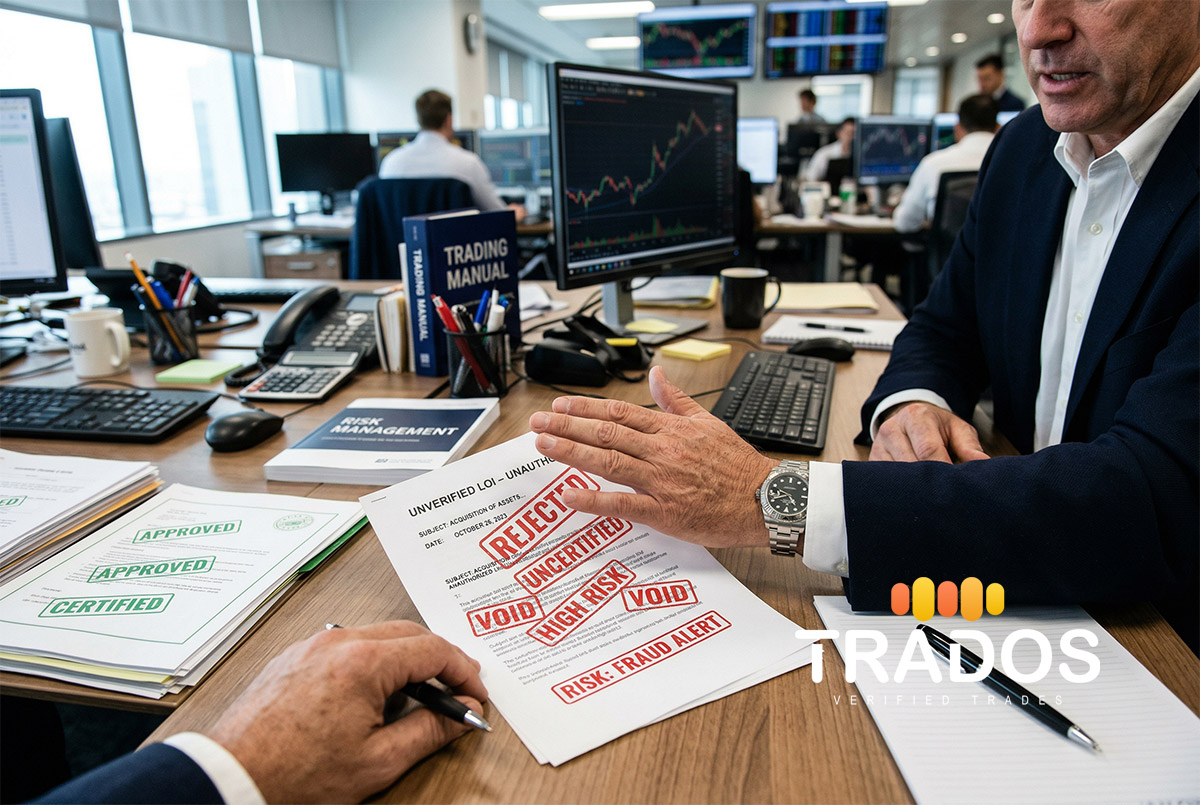
How Does Counterparty Selection Actually Work?
Buyers and sellers in commodities markets face a constant challenge: separating genuine opportunities from time-wasters. They develop mental shortcuts to filter the flood of incoming proposals.
Certification exploits this psychology by providing an immediate credibility signal. It answers the counterparty’s unspoken question—”Should I spend time on this?”—before they even open the document.
This psychological advantage operates at multiple levels. Authority transfer means the certification mark borrows authority from the verifying body. When your LOI carries Trados certification, it inherits the platform’s reputation for standards and verification. The counterparty’s trust in the system extends to you. This best practice for uncertified LOI risk has been validated across leading trading firms.
Social proof activation means certified LOIs tap into the same psychology that makes people choose restaurants with lines out the door. If this trader is certified, others have found them worthy. The certification serves as implicit endorsement.
Risk reduction matters because uncertainty kills deals. Certification reduces uncertainty by providing verified information. Counterparties can proceed with confidence rather than suspicion. This reduced friction accelerates deal timelines.
Exclusivity signaling positions you in a smaller, more select group. Not every trader has certification. By using it, you appeal to counterparties who prefer working with established, professional operations rather than speculative newcomers. Top trading firms leverage this insight as part of their uncertified LOI risk approach.
How Does Reputation Become a Competitive Asset?
In commodities trading, reputation isn’t abstract—it’s a measurable asset that directly impacts deal flow and margins.
Traders with strong reputations receive first look at premium cargoes. They negotiate from positions of strength because counterparties want to work with them. They close deals faster because verification requirements get streamlined or waived based on their track record.
Reputation compounds over time. Each certified LOI reinforces your standing as a professional operator. Each uncertified LOI—even if the underlying deal is legitimate—chips away at that standing. Getting this right is fundamental to any successful uncertified LOI risk strategy.
The smart trader treats reputation management as a core business function, not an afterthought. They understand that how they present themselves—the documents they send, the processes they follow, the standards they maintain—shapes how the market values them.
Certification becomes a reputation investment with measurable returns. The time and resources spent obtaining and maintaining certification pay dividends in faster deal cycles, better counterparty relationships, and access to opportunities that never reach the open market.
When Does Certification Become a Moat?
Markets evolve. Standards rise. What was optional becomes expected. The relationship between this and uncertified LOI risk is well-documented in the industry.
We’re approaching an inflection point in commodities trading documentation. The firms that adopted certification early are pulling ahead. Those still sending uncertified LOIs are falling behind—not because their deals are worse, but because their presentations fail to meet rising professional standards.
This creates a competitive moat for certified traders. As more counterparties require or prefer certification, uncertified traders find themselves locked out of the best opportunities. They can still trade, but they’re relegated to the segments of the market where standards are lower—and so are the margins.
The moat deepens with time. Traders who build certified reputations now will dominate the premium segments of the market in coming years. Their competitors who delay certification will face an increasingly difficult climb to catch up. For firms focused on uncertified LOI risk, this should be a top priority.
How Do You Actually Transition to Certification?
The transition to certified LOIs requires minimal investment compared to the returns. The process follows a clear path.
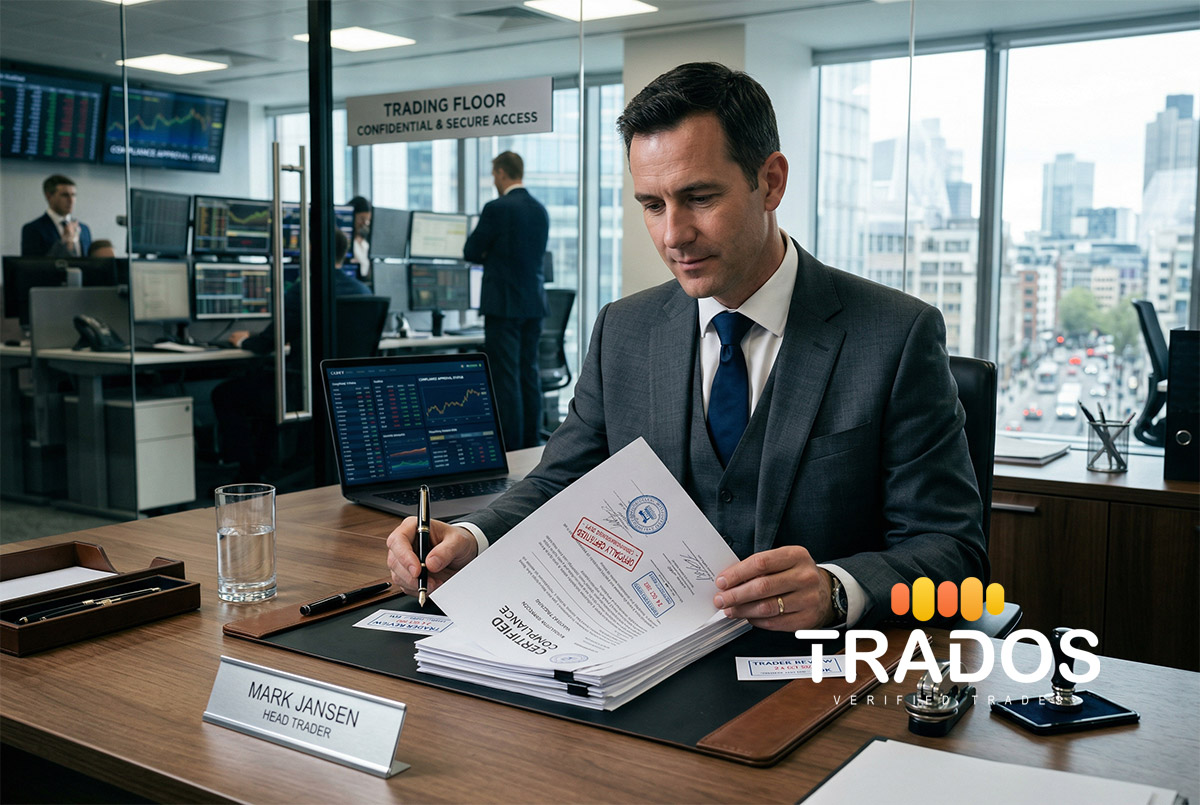
First, verify your trading credentials through a recognized certification platform. This typically involves company registration verification, financial capacity confirmation, and reference checks. The process takes days, not weeks.
Second, standardize your LOI templates to include certification marks and reference numbers. This ensures every document you send carries the credibility signal that opens doors. Industry experts agree that uncertified LOI risk effectiveness depends heavily on this factor.
Third, train your team on certification requirements and the importance of maintaining certified status. Make certification part of your operational culture, not just a checkbox.
Fourth, update your trading partners about your certification status. Let them know your LOIs will now arrive with full verification. This proactive communication reinforces your commitment to professional standards.
Fifth, track the results. Monitor response rates, deal closure timelines, and counterparty feedback. The improvement metrics will confirm the value of your certification investment.
What Mindset Separates Successful Traders?
Ultimately, the choice between certified and uncertified LOIs reflects deeper professional values.
The trader who sends uncertified documents prioritizes speed over substance, convenience over credibility, shortcuts over standards. They might close some deals, but they’re building on sand. Each transaction is a new negotiation against the weight of their unprofessional presentation.
The trader who uses certification prioritizes sustainable success. They understand that trading is a relationship business where reputation determines trajectory. They’re building on bedrock. Each certified LOI strengthens their professional standing, builds trust with counterparties, and creates a track record that opens doors to premium opportunities. Every document they send reinforces the message: this is a trader who operates at the highest level.
The choice is clear. Smart traders never send uncertified LOIs because they understand that in commodities trading, how you present yourself determines the opportunities you receive. Certification is not an expense—it is an investment in your future deal flow, your reputation, and your long-term success in the market.
Related Articles
Learn more about ICUMSA sugar standards.
This should be required reading.
I’ve shared this with three other trading firms in our network. The standards described here should become industry baseline.
The ROI breakdown alone makes this worth reading. Finally some hard numbers to justify the investment in proper verification.
I manage a small trading desk and articles like this help us punch above our weight. Practical, clear, and immediately useful.
I remember when we used to verify everything by phone and fax. The fact that we can now do this digitally in minutes rather than days is transformative.
After reading this, I immediately audited our current LOI process. Found three gaps we need to address. Thank you.
Finally someone explains this clearly.
Very practical advice here.
As someone who’s dealt with fraudulent LOIs firsthand, I can confirm everything in this article. Wish I had this resource two years ago.
Brilliant article. The real-world examples make the concepts so much more tangible and easier to implement.