
A Market in Transition
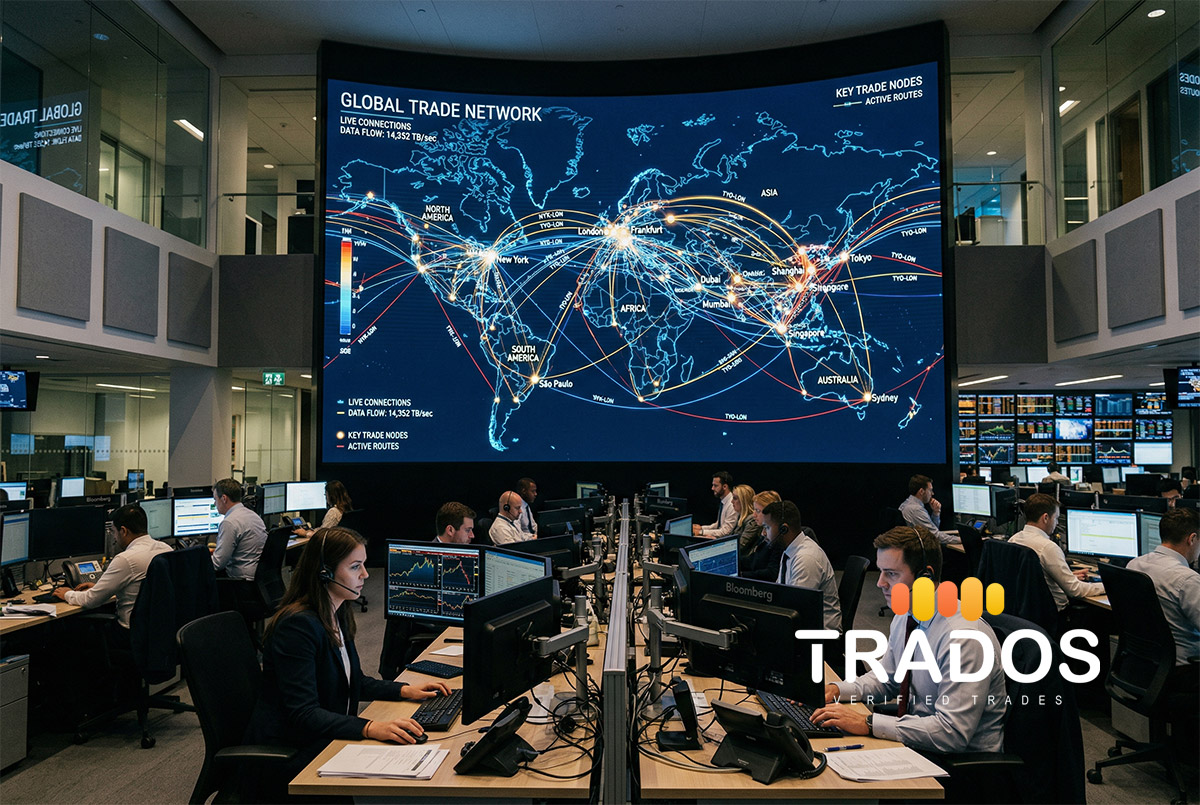
Understanding verified trade networks is essential for modern commodity traders. The commodity trading industry is experiencing a fundamental shift. After decades of operating on handshake deals and informal networks, the market is moving toward verified, structured trading environments.
Why Now?: Verified Trade Networks Essentials
1. Fraud Epidemic
– $2B+ lost annually to commodity fraud
– Sophisticated scams targeting all market participants
– Regulatory pressure increasing
– Insurance costs rising
2. Technology Maturity
– Digital verification systems now reliable
– API integrations with financial institutions
– Blockchain for document authentication
– AI for pattern recognition This principle applies broadly across all aspects of verified trade networks in commodity markets.
3. Generational Shift
– New traders expect digital processes
– Old guard retiring, taking relationships with them
– Younger traders demand transparency
– Remote work requires digital infrastructure
4. Regulatory Pressure
– AML/KYC requirements tightening globally
– OFAC enforcement increasing
– EU due diligence directives
– Banking compliance standards
The Old Model vs. The New Model
Traditional Trading (Fading)
– Network-based: Who you know matters most
– Trust-based: Relationships drive deals
– Informal: Verbal agreements, handshake deals
– Opaque: Limited visibility into counterparties
– Slow: Months of relationship-building
– Risky: Fraud losses accepted as cost of business
Verified Trading (Emerging)
– Platform-based: Network + verification
– Evidence-based: Documentation drives confidence
– Structured: Clear workflows and processes
– Transparent: Counterparty history visible
– Fast: Pre-verified participants ready to trade
– Secure: Fraud prevention by design

Industry Adoption Patterns
Early Adopters (2020-2023)
– Large trading houses
– Risk-averse corporations
– Tech-forward companies
– Regulatory-heavy jurisdictions (EU, US)
Current Mainstream (2024-2025)
– Mid-size trading companies
– Specialized brokers
– Regional players
– Commodity-specific platforms
Future Majority (2026+)
– Expected 70%+ adoption
– Small traders joining networks
– Industry standard for new entrants
– Regulatory requirements in key markets
The Competitive Advantage
For Early Adopters
– Better counterparties: First access to verified network
– Process efficiency: Faster deal execution
– Risk reduction: Lower fraud exposure
– Reputation: Innovation leadership
For Late Adopters
– Competitive pressure: Required to match verified competitors
– Network effects: Late joiners have fewer connections
– Cost pressure: Higher insurance, banking costs
– Talent attraction: Best traders want modern tools
What This Means for Different Players
Trading Companies
Opportunity:
– Institutionalize your operations
– Scale beyond founder relationships
– Attract institutional capital
– Exit at higher valuations
Threat:
– Relationship-based advantage diminishes
– Must adapt processes or lose business
– Technology investment required
Brokers
Opportunity:
– Commission protection through documentation
– Access to larger verified networks
– Professionalization of role
– Scalability Understanding this connection to verified trade networks gives traders a measurable advantage.
Threat:
– Disintermediation risk if not on platforms
– Must prove value beyond introduction
– Relationship-only brokers marginalized
Buyers/Sellers
Opportunity:
– Access to verified counterparties
– Faster deal execution
– Lower risk
– Better pricing (efficient markets)
Threat:
– Must submit to verification
– Privacy concerns
– Less negotiation leverage if desperate
The Technology Stack
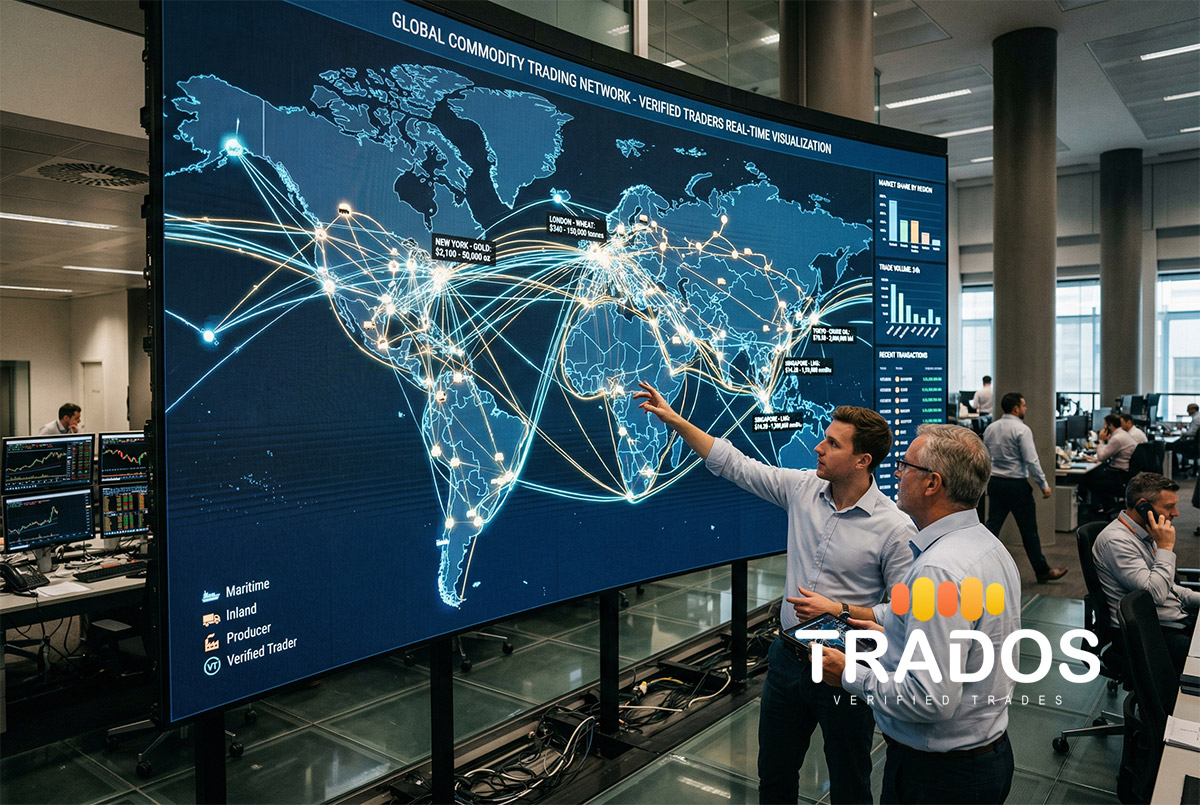
Modern verified trade networks use:
Identity Layer
– Government ID verification
– Biometric checks
– Corporate registration lookup
– Beneficial ownership identification
Financial Layer
– Bank account verification
– Proof of funds authentication
– Credit scoring
– Transaction history analysis
Document Layer
– OCR for document processing
– Blockchain for authentication
– Version control
– Audit trails
Network Layer
– Reputation systems
– Reference checks
– Deal history tracking
– Performance scoring
Regulatory Implications
Current Requirements
– AML/KYC compliance
– Sanctions screening
– Record keeping
– Suspicious activity reporting
Future Requirements (Predicted)
– Mandatory verification for large trades
– Platform reporting to regulators
– Standardized documentation
– Auditable transaction trails
Preparing for the Transition
Immediate Actions (This Quarter)
1. Get verified: Bronze tier minimum
2. Document processes: Standardize workflows
3. Digitize records: Move from paper to digital
4. Train team: New processes and tools
Medium-Term (This Year)
1. Join verified networks: Trados or equivalent
2. Build digital presence: Professional profiles
3. Establish metrics: Track verification ROI
4. Build compliance program: Stay ahead of regulations
Long-Term (Next 2 Years)
1. Full integration: Platform as primary tool
2. API connections: Integrate with existing systems
3. Advanced features: AI-powered matching, automated compliance
4. Thought leadership: Position as industry innovator
The Bottom Line
Verified trade networks aren’t the future — they’re the present.
Companies that adapt now will:
– Close more deals
– Reduce fraud losses
– Attract better talent
– Scale operations
– Command higher valuations
Companies that don’t will:
– Lose deals to verified competitors
– Suffer increasing fraud losses
– Face regulatory challenges
– Become acquisition targets (at lower valuations)
The Choice
The transition is happening whether you participate or not.
The question isn’t if you’ll join a verified network. It’s when.
Early adopters gain competitive advantage. Late adopters play catch-up.
[Join the Verified Trading Revolution →](/contact)
Related Articles
Learn more about WTO trade regulations.

After reading this, I immediately audited our current LOI process. Found three gaps we need to address. Thank you.
I’ve been in commodity trading for 15 years and this is one of the most practical guides I’ve come across. Really appreciate the level of detail here.
As a broker, I initially resisted verification requirements because I thought it would slow down deal flow. It actually accelerated it because both parties have more confidence.
Incredibly useful, thanks!