
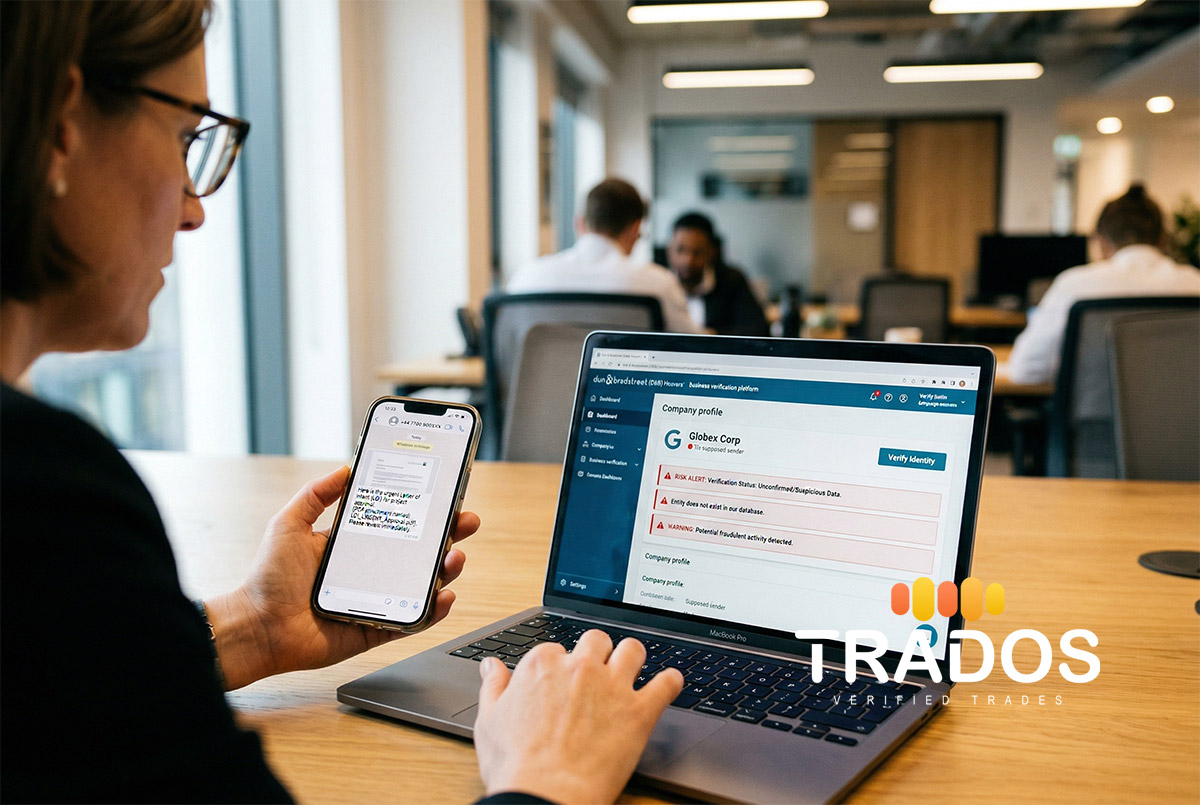
For trading professionals, fake LOI WhatsApp fraud is one of the most important considerations today. # No More Fake LOIs via WhatsApp
The message arrived at 11:47 PM.
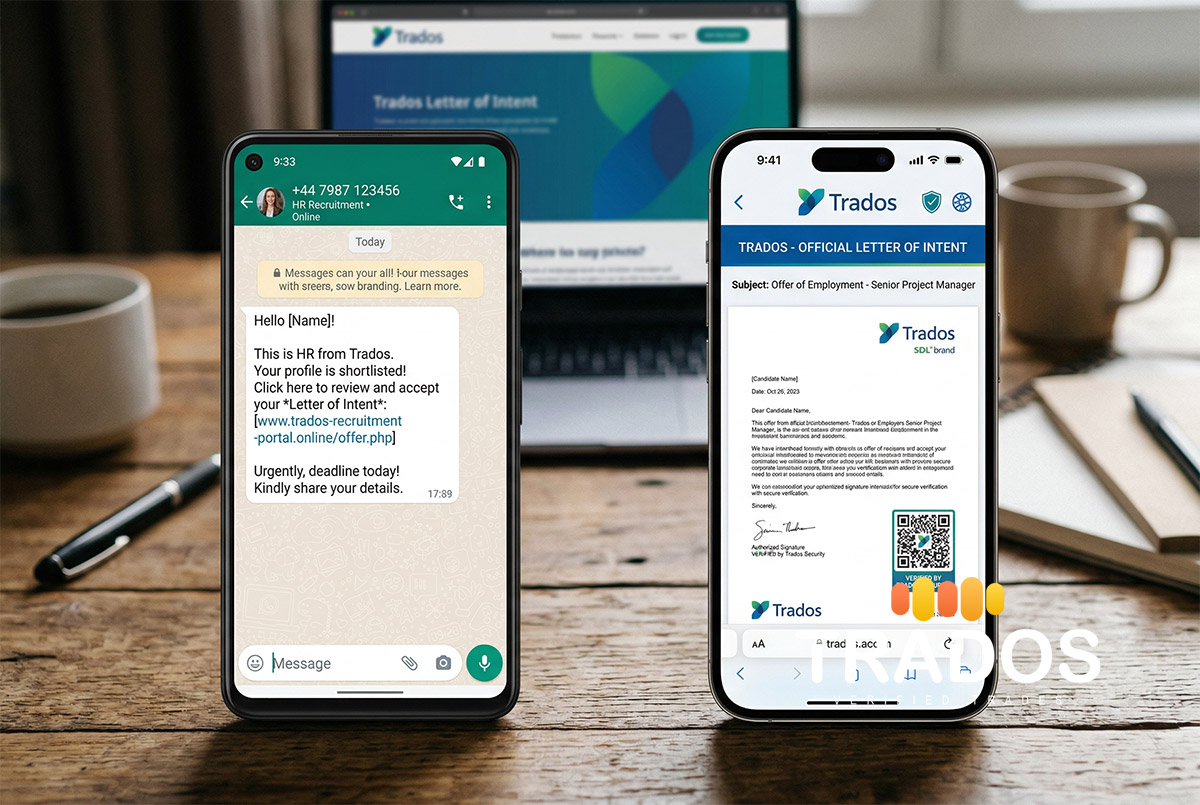
“We are interested in 25,000 MT white sugar ICUMSA 45. Please send LOI and BCL. Serious buyer.” This is a critical aspect of fake LOI WhatsApp fraud that every trader should understand.
The WhatsApp profile picture showed a man in a suit standing in front of what looked like a Dubai office building. The number had a UAE country code. The grammar was slightly off, but nothing that screamed fake.
A sugar trader in São Paulo read this message and felt the familiar mix of hope and skepticism. Hope because this could be the buyer he’d been looking for. Skepticism because he’d been down this road before.
He sent the LOI. Three days later, the “buyer” asked for a $5,000 “verification fee” to release proof of funds. The trader refused. The buyer disappeared. Another fake LOI. Another waste of time.
This happens thousands of times per day. This best practice for fake LOI WhatsApp fraud has been validated across leading trading firms.
The WhatsApp Epidemic
WhatsApp has become the Wild West of commodity trading. It’s where deals start, where connections happen, and where scammers operate with impunity.
The platform’s encryption—normally a feature—has become a shield for fraudsters. Fake profiles. Stolen photos. Disposable numbers. Scammers can spin up a convincing persona in minutes, send hundreds of messages, and disappear without a trace.
The numbers are staggering:
– Industry estimates suggest 40-60% of LOI requests via WhatsApp come from fraudulent actors
– The average commodity trader receives 3-5 suspicious LOI requests per week
– WhatsApp trading scams cost the industry an estimated $2.3 billion annually
– Only 1 in 20 fake LOI attempts results in any form of prosecution
The platform that was supposed to make trading easier has made fraud easier. Top trading firms leverage this insight as part of their fake LOI WhatsApp fraud approach.
How the WhatsApp Scam Works: Fake LOI WhatsApp Fraud Essentials
Understanding the playbook helps you spot the scams. Here’s the typical progression:
Phase 1: The Approach
The scammer finds you through trade groups, LinkedIn, or purchased contact lists. They send a message expressing interest in your product. The request is specific enough to seem legitimate—quantities, specs, delivery terms.
Phase 2: The Document Request
They ask for your LOI, BCL (Bank Comfort Letter), or other documents. The request seems reasonable. After all, you can’t move forward without documentation.
Phase 3: The Pivot
Once they have your documents—or sometimes before—they introduce a complication. They need a “verification fee.” Or a “registration payment.” Or they have a “special arrangement” with a specific shipping agent who requires upfront payment. Getting this right is fundamental to any successful fake LOI WhatsApp fraud strategy.
Phase 4: The Extraction
If you pay, they disappear. If you refuse, they disappear. Either way, they’ve either stolen your money or wasted your time. Sometimes they sell your documents to other scammers. Sometimes they use your information for identity fraud.
The whole cycle can take 48 hours. Then they’re on to the next target.
The Red Flags That Scream Fake
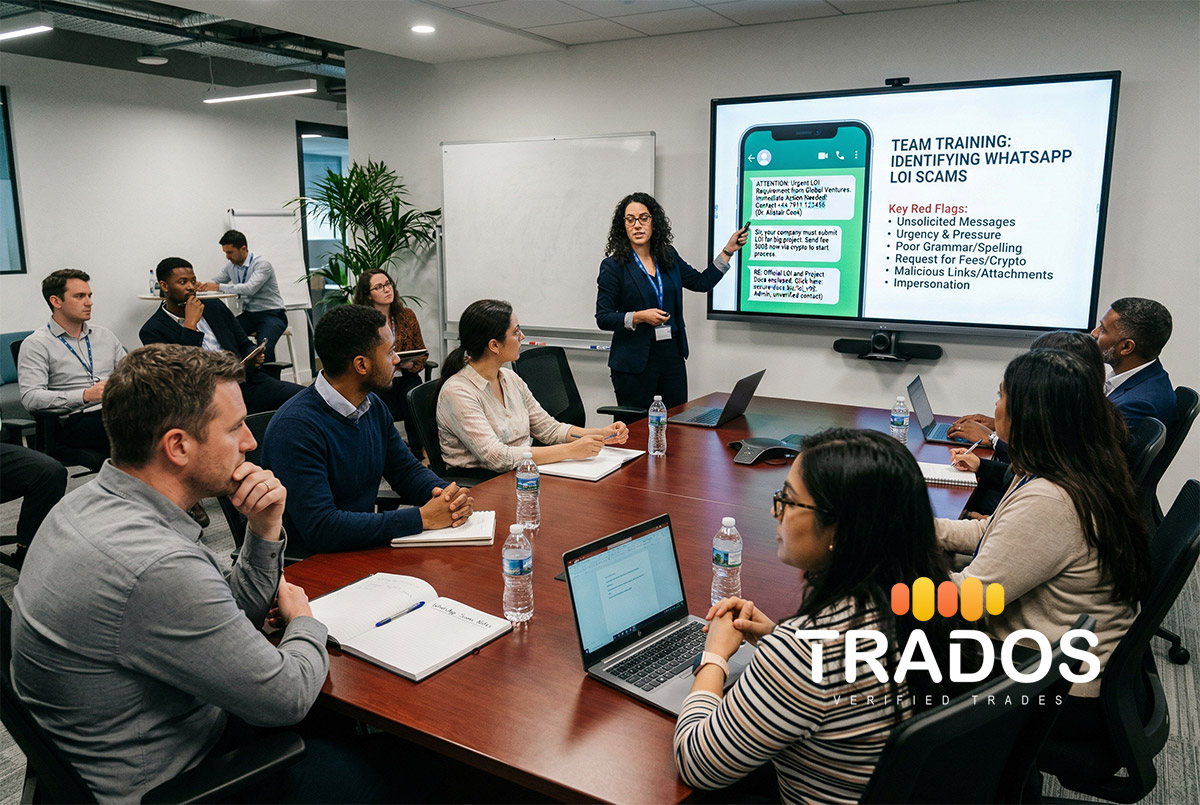
Experienced traders learn to spot the signs. Here are the red flags that should trigger immediate suspicion:
Red Flag #1: Urgency Without Context
“Need LOI today. Closing tomorrow.” Real buyers don’t operate on arbitrary deadlines. Scammers create urgency to bypass your judgment. The relationship between this and fake LOI WhatsApp fraud is well-documented in the industry.
Red Flag #2: Generic Language
“We are interested in your product.” Which product? What specs? Real buyers know exactly what they want. Scammers use templates.
Red Flag #3: Request for Unusual Documents
Asking for BCL before LOI. Demanding “proof of product” before any agreement. Requesting documents in specific formats that require paid third-party services. These are extraction setups.
Red Flag #4: Profile Inconsistencies
The profile picture is a stock photo. The name doesn’t match the email domain. The company they claim to represent has no website. Or a website created last week.
Red Flag #5: Communication Patterns
They message at odd hours. Their English shifts in quality mid-conversation. They avoid voice calls. They get aggressive when you ask questions. For firms focused on fake LOI WhatsApp fraud, this should be a top priority.
Red Flag #6: The Fee Request
Any request for upfront payment before a contract is signed is a scam. Full stop. Verification fees, registration fees, processing fees, facilitation payments—these don’t exist in legitimate commodity trading.
Why Traders Keep Falling For It
Despite the red flags, smart traders keep getting caught. Why?
Desperation: When business is slow, that WhatsApp message looks like salvation. The hope overrides the skepticism.
Optimism Bias: “This one feels different.” Every trader thinks they can spot the real opportunities from the fake ones. Most can’t. Industry experts agree that fake LOI WhatsApp fraud effectiveness depends heavily on this factor.
Low Cost of Entry: It only takes a few minutes to respond to a WhatsApp message. The potential upside feels worth the minimal effort—even when the odds are stacked against you.
Social Proof Illusion: The scammer sends screenshots of other “deals” they’ve done. Fake testimonials. Forged documents. It’s all theater, but it’s convincing theater.
The Certification Solution
Here’s the reality: You can’t stop scammers from messaging you. WhatsApp isn’t going to fix the problem. The only solution is to change how you handle the LOIs that come in.
Certification cuts through the noise. This principle applies broadly across all aspects of fake LOI WhatsApp fraud in commodity markets.
When you respond to a WhatsApp inquiry with: “I’ll send you a certified LOI with verification. You can verify it instantly via QR code,” you accomplish two things:
First: You signal that you’re a professional. Scammers target easy marks. Certification marks you as experienced, protected, and not worth their time.
Second: You flip the verification burden. Instead of you trusting them, they need to prove they can handle a certified document. Most scammers can’t—or won’t.
How to Handle WhatsApp LOI Requests
Here’s the protocol that protects you: Understanding this connection to fake LOI WhatsApp fraud gives traders a measurable advantage.
Step 1: Initial Screen
When you receive a WhatsApp LOI request, don’t send anything immediately. Ask basic questions: What’s your company name? What’s your website? Can we schedule a voice call?
Scammers hate questions. They want documents. The more questions you ask, the faster they disappear.
Step 2: Certification Response
If they pass the initial screen, tell them you only send certified LOIs. Explain that your LOIs carry a QR code for instant verification.
This does two things: It establishes your credibility, and it tests theirs. A legitimate buyer will appreciate the professionalism. A scammer will move on. This directly impacts how fake LOI WhatsApp fraud performs in real-world trading scenarios.
Step 3: Upload and Certify
Draft your LOI and upload it to Trados. The platform runs fraud detection, counterparty verification, and compliance checks. Your LOI gets scored and certified.
Step 4: Send with Proof
Download your certified LOI with the embedded QR code and Trados Shield logo. Send it via WhatsApp with a simple message: “Certified LOI attached. Scan the QR code to verify.”
Step 5: Watch Their Response
A legitimate buyer will scan the code, verify your document, and engage seriously. A scammer will either disappear or try to pivot to their fee extraction playbook.
The Psychology of Certification
Certification works because it changes the power dynamic. Without certification, you’re just another trader sending documents into the void. With certification, you’re a verified professional sending proof. Experienced professionals in fake LOI WhatsApp fraud consistently emphasize this point.
Scammers avoid certification because:
– It requires real company information
– It creates a paper trail
– It exposes their lack of legitimacy
– It signals that you know what you’re doing
Legitimate traders embrace certification because:
– It proves they’re serious
– It speeds up the verification process
– It reduces their risk too
– It shows they understand modern trading
Building a Scam-Free Trading Practice
Eliminating fake LOIs from WhatsApp isn’t about avoiding the platform. It’s about changing your process so scammers self-select out.
Make certification your standard: Announce on your profiles that you only work with certified LOIs. Mention it in your email signature. Say it in trade groups. Make it known that you’re not a soft target. When evaluating fake LOI WhatsApp fraud, this factor plays a significant role.
Educate your network: Share information about scams with other traders. The more traders who adopt certification, the harder it becomes for scammers to operate.
Report and block: When you identify a scammer, report the number to WhatsApp and block them immediately. Don’t engage. Don’t try to “catch” them. Just cut them off.
Trust the process: The first few times you insist on certification, you might lose some opportunities. That’s okay. The opportunities you lose were probably fake anyway. The ones you keep will be real.
The Industry Shift
WhatsApp scams are forcing a change in commodity trading. The old model—send documents and hope—can’t survive in an environment where 40-60% of contacts are fraudulent. This is a critical aspect of fake LOI WhatsApp fraud that every trader should understand.
Certification is becoming the new standard. Traders who adopt it early gain a competitive advantage. They’re not just protected from scams—they’re faster, more credible, and more likely to close real deals.
The scammers won’t stop. But they will move on to easier targets. Make sure you’re not one of them.
Conclusion
WhatsApp is a tool. Like any tool, it can be used for good or exploited for harm. The fake LOI problem isn’t going away. But your vulnerability to it can.
Certification is your shield. It transforms every WhatsApp interaction from a gamble into a verified exchange. It marks you as a professional. It filters out the scammers. It protects your time, your money, and your reputation.
No more fake LOIs. No more verification fees. No more wasted weeks on deals that were never real.
The choice is simple: Continue playing the WhatsApp lottery, hoping this message is the real one. Or certify your LOIs and only engage with verified counterparties.
[Protect yourself from WhatsApp LOI scams] with Trados certification.
—
FAQ
How common are fake LOIs on WhatsApp?
Industry estimates suggest 40-60% of LOI requests via WhatsApp come from fraudulent actors. The platform’s ease of use and encryption make it attractive to scammers.
What are the most comm
Related Articles
Learn more about GAFTA trade standards.

Agree with most points here. I’d add that training is often overlooked. You can have the best verification system but if your team doesn’t use it properly, it’s worthless.
How frequently should verification be renewed? We verified a supplier last year but things change quickly in this market.