

This article covers everything you need to know about minerals trading gold diamonds copper.
The High-Stakes World of Minerals
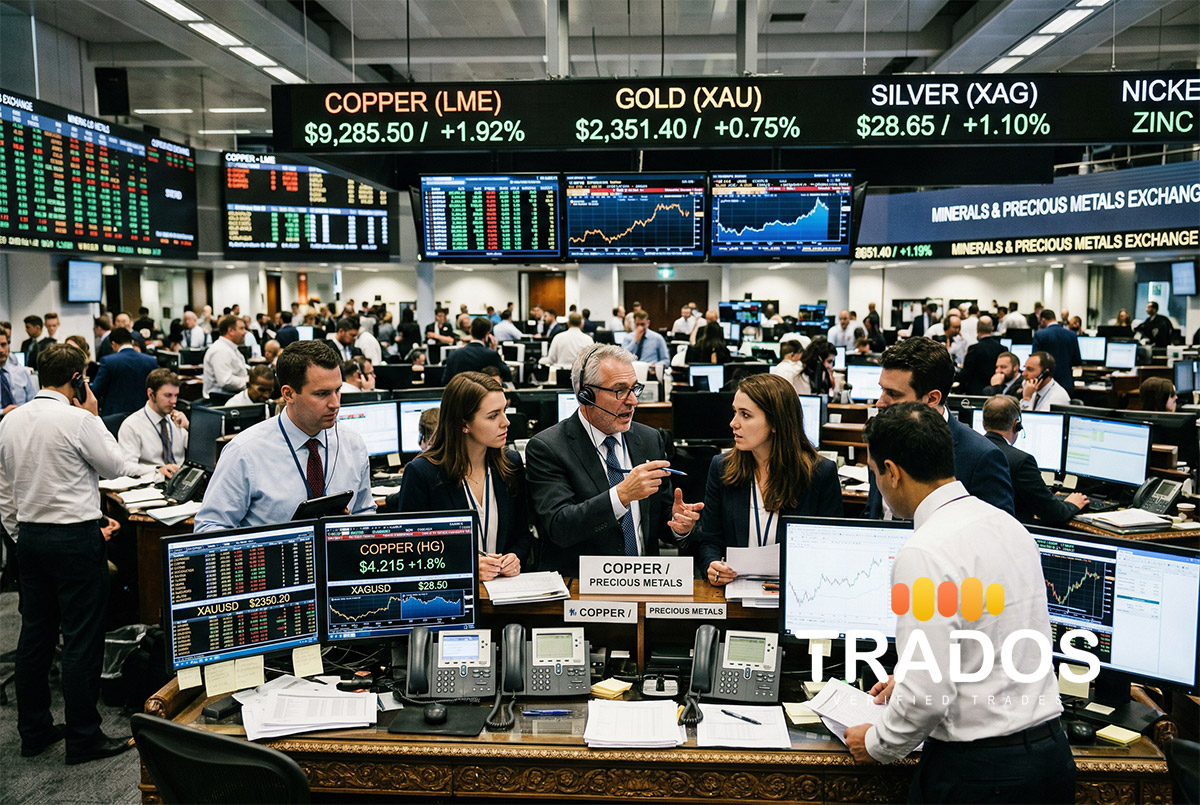
Minerals trading — gold, diamonds, copper, rare earths — operates with some of the highest values per kilogram in global commerce. A single shipment can be worth millions, even billions.
With those values come unique challenges:
– Security risks: Theft, hijacking, smuggling
– Authenticity concerns: Fake gold, blood diamonds, copper plating
– Origin verification: Conflict minerals, sanctions evasion
– Documentation fraud: Forged certificates, fake assay reports This best practice for minerals trading gold diamonds copper has been validated across leading trading firms.
Why Traditional Methods Fail: Minerals Trading Gold Diamonds Copper Essentials
The Gold Example
Traditional verification:
– Visual inspection
– Weight check
– Basic assay (if done)
– Paper certificates
Problems:
– Tungsten-filled gold bars pass visual check
– Fake certificates readily available
– Assay labs can be compromised
– Chain of custody often unclear
Result: $100M+ in gold fraud annually
The Diamond Pipeline
Kimberley Process was supposed to solve conflict diamonds, but:
– Certificates can be forged
– Stones can be smuggled across borders
– Cutting/polishing obscures origin
– Compliance is spotty
Result: Conflict diamonds still enter supply chain

The Verified Approach
Modern platforms address these challenges through:
1. Multi-Layer Verification
Top trading firms leverage this insight as part of their minerals trading gold diamonds copper approach.Physical verification:
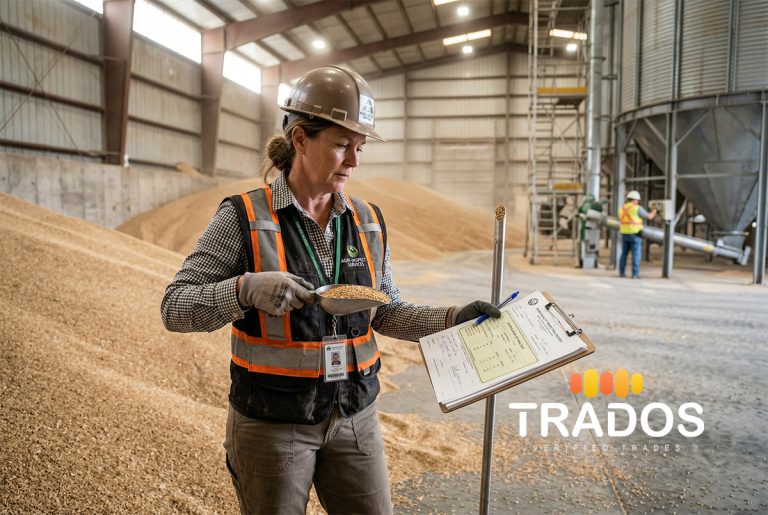
– Independent assay (SGS, Bureau Veritas)
– Spectroscopic analysis
– Ultrasound testing (for gold)
– Laser inscription matching (for diamonds)
Documentary verification:
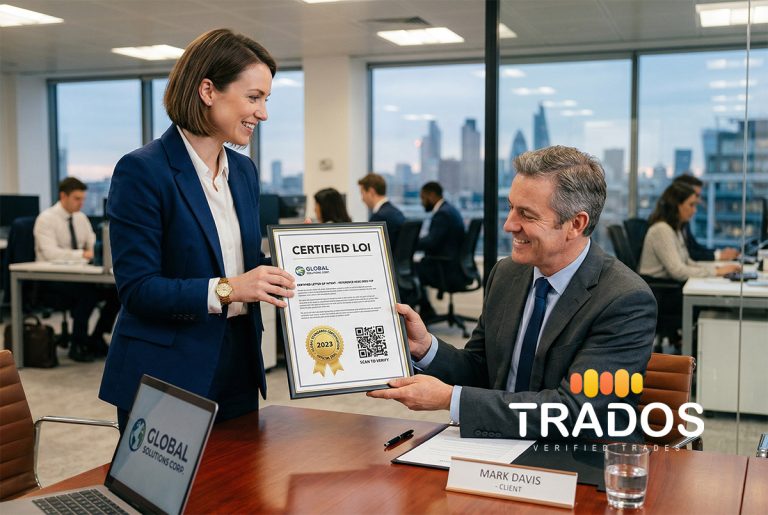
– Origin certificate authentication
– Chain of custody documentation
– Export/import license validation
– Insurance document verification
Party verification:
– Mining license confirmation
– Export authorization checks
– Beneficial ownership disclosure
– Sanctions screening
2. Blockchain Tracking
Some platforms now use blockchain:
– Immutable origin records
– Transfer documentation
– Processing milestones
– Final delivery confirmation
3. Insurance Integration
Verified platforms connect with insurers:
– Automated coverage verification
– Risk assessment data sharing
– Claims documentation
– Recovery assistance
Commodity-Specific Considerations
Gold Trading
Key risks:
– Purity fraud (tungsten filling)
– Ownership disputes
– Money laundering
– Sanctions violations
Verification requirements:
– Assay from recognized refinery
– Chain of custody documentation
– Export license from origin country
– Insurance for full value Getting this right is fundamental to any successful minerals trading gold diamonds copper strategy.
Trados approach:
– Gold-tier verification for all parties
– Mandatory independent assay
– Insurance verification before shipment
– Real-time tracking integration
Diamond Trading
Key risks:
– Synthetic stones passed as natural
– Conflict diamond infiltration
– Laser inscription fraud
– Certification forgery
Verification requirements:
– GIA or equivalent certification
– Kimberley Process documentation
– Laser inscription verification
– Provenance documentation
Trados approach:
– Diamond-specialized verification
– Certificate authentication
– Cutting/polishing documentation
– End-user certification for rough diamonds
Copper Trading
Key risks:
– Copper-plated steel passed as solid
– Weight fraud
– Quality misrepresentation
– Origin laundering
Verification requirements:
– SGS inspection at loading
– Sealed container documentation
– Quality certification
– Weight verification at destination
Trados approach:
– Pre-shipment inspection coordination
– Container sealing documentation
– Weight guarantee enforcement
– Quality dispute resolution
The Security Advantage
Verified platforms provide security benefits: The relationship between this and minerals trading gold diamonds copper is well-documented in the industry.
Information Security
– Confidential deal information protected
– Access controls limit information exposure
– Encrypted communications
– Audit trails for compliance
Physical Security
– Vetted counterparties reduce theft risk
– Insurance integration ensures coverage
– Tracking systems deter hijacking
– Dispute resolution prevents violence
Financial Security
– Escrow services available
– Payment verification before release
– Fraud prevention reduces losses
– Chargeback protection
Case Study: African Gold to Dubai
Before Trados:
– Buyer: Dubai gold refinery
– Seller: Ghanaian mining company
– Issues: Verification delays, documentation gaps, payment disputes
– Time: 8 weeks average
– Success rate: 40%
With Trados:
– Both parties Gold-tier verified
– SGS inspection coordinated through platform
– Document authentication automated
– Escrow payment protection
– Time: 3 weeks average
– Success rate: 85%
Result: 112% faster, 45 percentage point improvement
Regulatory Landscape
Conflict Minerals (Dodd-Frank Section 1502)
– Mandatory due diligence
– Supply chain disclosure
– Smelter and refiner identification
– Independent private sector audit
OECD Due Diligence Guidance
For firms focused on minerals trading gold diamonds copper, this should be a top priority.– Five-step framework
– Risk assessment requirements
– Management strategy
– Independent verification
– Public reporting
EU Conflict Minerals Regulation
– Directly applicable in EU
– Due diligence obligations
– Import monitoring
– Civil liability
The Future of Minerals Trading
Technology Trends
AI-powered verification:
– Image recognition for gemstones
– Pattern analysis for documentation
– Anomaly detection for fraud
IoT integration:
– GPS tracking for shipments
– Environmental sensors (temperature, humidity)
– Tamper-evident seals
– Real-time monitoring
Tokenization:
– Digital representation of physical assets
– Fractional ownership
– Instant transfer of ownership
– Automated compliance
Industry Consolidation
Expect:
– Platform integration (fewer, larger networks)
– Major mining company participation
– Financial institution integration
– Insurance industry standardization
Getting Started in Minerals
For New Entrants
1. Understand the commodity: Each mineral has unique risks
2. Get verified: Gold-tier for minerals trading
3. Build relationships: Network with verified counterparties
4. Start small: Test processes before large deals
5. Document everything: Minerals trading is documentation-intensive
For Experienced Traders
1. Platform adoption: Move existing relationships to verified environment
2. Process standardization: Use platform workflows
3. Team training: Ensure everyone understands verification requirements
4. Insurance review: Optimize coverage for platform-based trading
5. Compliance audit: Ensure all regulatory requirements met
Conclusion
Minerals trading is too valuable and too risky for informal methods. Verified platforms provide the structure, security, and transparency that modern minerals trading requires.
The future of minerals trading is verified, tracked, and transparent.
[Start Trading Minerals with Confidence →](/contact)

Related Articles
Learn more about World Bank commodity data.
We lost a $1.2M deal two years ago because we didn’t verify the seller’s production capacity. They simply didn’t have the product. Never again.
This is the kind of content that actually moves the industry forward. No fluff, just actionable information that traders can use immediately.
Just presented some of these findings to our board. They were very receptive to upgrading our verification processes.
Solid piece. My only suggestion would be to address the privacy concerns around sharing company data for verification. It’s a real barrier for some firms.