

Why Brazilian ICUMSA 45?
Understanding buying ICUMSA 45 sugar Brazil is essential for modern commodity traders. Brazil is the world’s largest sugar producer and exporter, accounting for approximately 50% of global sugar trade. ICUMSA 45 — the highest quality refined white sugar — is Brazil’s premium export product, sought after by food manufacturers, beverage companies, and distributors worldwide.
Brazilian sugar advantages:
– Competitive pricing (favorable exchange rates, efficient production)
– Reliable supply (year-round production from center-south region)
– High quality standards (Brazilian refineries meet international specs)
– Established logistics (ports experienced in bulk sugar handling)
– Flexible payment terms (experienced with international trade instruments)
Understanding ICUMSA 45: Buying ICUMSA 45 Sugar Brazil Essentials
What Does ICUMSA Mean?
ICUMSA (International Commission for Uniform Methods of Sugar Analysis) is the global standard for sugar quality measurement. The number represents the level of refinement: The relationship between this and buying ICUMSA 45 sugar Brazil is well-documented in the industry.
– ICUMSA 45: Highest quality refined white sugar (maximum 45 ICUMSA units)
– ICUMSA 100: Standard refined sugar
– ICUMSA 150: Lower grade refined sugar
– VHP (Very High Polarization): Raw sugar (typically ICUMSA 1,000-3,000)
ICUMSA 45 Specifications
Physical characteristics:
– Color: Sparkling white, no visible impurities
– Crystal size: Fine to medium uniform crystals
– Polarization: Minimum 99.80°
– Moisture: Maximum 0.05%
– Ash content: Maximum 0.04%
– Solubility: 100% dry and free-flowing
Packaging options:
– 50kg PP bags: Most common for container shipments
– 25kg bags: Retail/food service preference
– 1,000kg Big Bags: Industrial users
– Bulk: Vessel shipments (20,000+ MT)

The Brazilian Sugar Market Structure
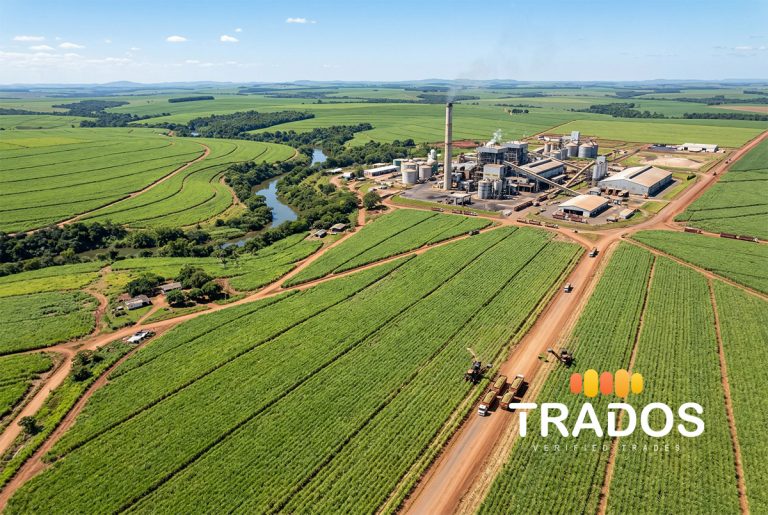
Key Production Regions
Center-South (90% of production):
– São Paulo state (primary)
– Minas Gerais
– Goiás
– Mato Grosso
Northeast (10% of production):
– Pernambuco
– Alagoas
– Bahia For firms focused on buying ICUMSA 45 sugar Brazil, this should be a top priority.
Production Calendar
– Crushing season: April-November (center-south)
– Peak availability: June-October
– Tight supply: December-March
Pricing implication: Prices typically drop during harvest (May-August) and rise during inter-harvest (December-March).
Regulatory Bodies
– MAPA (Ministry of Agriculture): Quality certification
– SECEX (Foreign Trade Secretariat): Export licensing
– Receita Federal: Customs and tax documentation
– ANP (National Petroleum Agency): Ethanol allocation (competes with sugar)
Step-by-Step: Buying Brazilian ICUMSA 45
Step 1: Identify Reliable Suppliers
Types of sellers:
Integrated Mills (Safest):
– Own sugarcane plantations
– Own refineries
– Direct export capability
– Examples: Copersucar, Raízen, São Martinho Industry experts agree that buying ICUMSA 45 sugar Brazil effectiveness depends heavily on this factor.
Independent Trading Companies:
– Buy from mills, resell internationally
– Often more flexible on terms
– Require higher due diligence
Brokers/Mandate Holders:
– Connect buyers with mills
– Add commission layer
– Verify mandate authenticity carefully
Red flags to avoid:
– Sellers offering prices 10%+ below market
– No verifiable mill relationship
– Refusal to provide export license (LI)
– Requests for upfront payment before documentation
– Generic email addresses (Gmail, Yahoo)
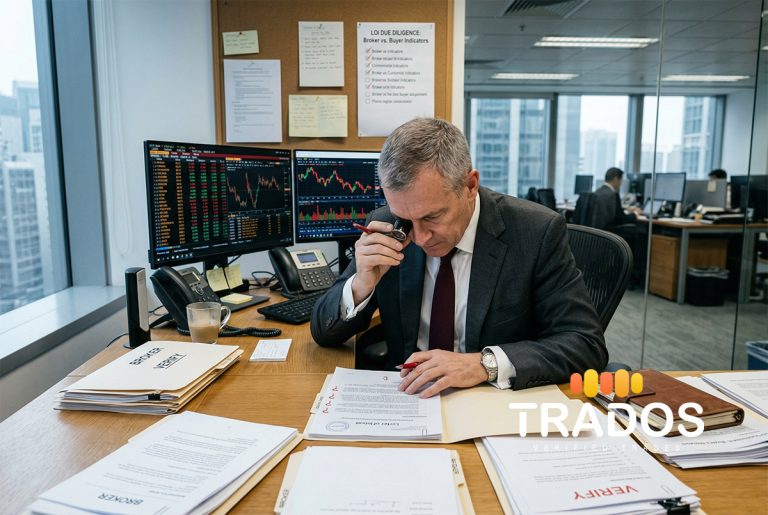
Step 2: Verification (Critical)
Trados Silver/Gold verification includes:
Company verification:
– CNPJ (Brazilian tax ID) validation
– Registration with SECEX
– Export license (LI) confirmation
– Mill relationship verification This principle applies broadly across all aspects of buying ICUMSA 45 sugar Brazil in commodity markets.
Financial verification:
– Bank reference letters
– Trade history documentation
– Previous B/Ls and SGS reports
– Credit checks
Product verification:
– Recent SGS or Bureau Veritas inspection reports
– Production capacity confirmation
– Export track record
Step 3: Negotiation and LOI
Key terms to negotiate:
Price:
– Reference: ICE Sugar #11 futures + premium/discount
– Typical Brazilian FOB premium: $10-40/MT above ICE
– Price valid for: 7-14 days maximum
Quantity:
– Minimum: 12,500 MT (one container ship)
– Typical: 25,000 MT (panamax vessel)
– Large: 50,000+ MT (capesize)
– Tolerance: +/- 5% or 10% Understanding this connection to buying ICUMSA 45 sugar Brazil gives traders a measurable advantage.
Delivery:
– FOB Santos (most common)
– FOB Paranaguá (alternative)
– CIF destination (if seller arranges shipping)
Payment:
– LC at sight (most secure for buyer)
– LC 30/60/90 days (if established relationship)
– TT against documents (higher risk, better price)
Inspection:
– SGS or Bureau Veritas at loading
– Quality final at loading port
– Weight final at loading port
Step 4: Documentation
Required from Brazilian seller:
1. Proforma Invoice (detailed pricing breakdown)
2. Export License (LI) — SECEX approval
3. Registration with MAPA (quality certification)
4. Certificate of Origin (preferential tariff if applicable)
5. SGS or Bureau Veritas Inspection Certificate
6. Bill of Lading (B/L)
7. Commercial Invoice
8. Packing List
9. Phytosanitary Certificate (if required by destination) This directly impacts how buying ICUMSA 45 sugar Brazil performs in real-world trading scenarios.
Buyer provides:
1. Letter of Credit (LC) — issued by buyer’s bank
2. Import License (if required by destination country)
Brazilian export process:
1. Seller registers export with SECEX (SISCOMEX system)
2. MAPA inspection and certification
3. Customs clearance (Receita Federal)
4. Port loading and B/L issuance
5. Document presentation to bank
Step 5: Shipping and Logistics
Major Brazilian sugar ports:
Santos (São Paulo):
– Largest sugar export terminal
– Dedicated sugar terminal (Terminal 13)
– Capacity: 60,000+ MT per day loading
– Most experienced with bulk sugar
Paranaguá (Paraná):
– Second largest sugar port
– Growing capacity
– Alternative when Santos congested Experienced professionals in buying ICUMSA 45 sugar Brazil consistently emphasize this point.
Maceió (Alagoas):
– Northeast region
– Smaller volumes
– Closer to some mills
Shipping considerations:
– Vessel type: Geared bulk carriers (for bagged sugar)
– Loading rate: 15,000-30,000 MT per day
– Weather delays: Possible during rainy season (Nov-Mar)
– Congestion: Check port queue before fixing vessel
Step 6: Quality Control
Pre-shipment inspection (critical):
SGS/Bureau Veritas will check:
– ICUMSA rating (must be ≤45)
– Polarization (≥99.80°)
– Moisture content (≤0.05%)
– Color and appearance
– Packaging integrity
– Weight verification
Sampling protocol:
– Samples taken from multiple containers/bags
– Laboratory analysis at port
– Buyer can appoint independent inspector When evaluating buying ICUMSA 45 sugar Brazil, this factor plays a significant role.
If quality fails:
– Seller must rectify or replace
– LC payment held until compliance
– Reputation damage to seller

Export Destinations: Specific Considerations
Brazil to Middle East (UAE, Saudi Arabia, Yemen)
Market characteristics:
– Large re-export hub (Dubai)
– Strict quality requirements
– Preference for 50kg bags
– Ramadan timing affects demand
Documentation:
– Halal certificate (sometimes requested)
– Certificate of Origin (preferential rates under agreements)
Logistics:
– Jebel Ali (Dubai) — main hub
– Jeddah (Saudi Arabia)
– 25-35 days voyage
Brazil to Asia (China, India, Indonesia, Bangladesh)
Market characteristics:
– Largest import markets
– Price-sensitive
– Bulk shipments preferred
– Seasonal demand patterns This is a critical aspect of buying ICUMSA 45 sugar Brazil that every trader should understand.
China specific:
– Import quota system (tariff rate quotas)
– CCC certification requirements
– Sanitary/phytosanitary inspections
– Payment: Often LC at sight
India specific:
– High import duties (protecting domestic industry)
– Occasional import restrictions
– Strong preference for white sugar (no VHP)
Documentation:
– Import licenses (country-specific)
– Phytosanitary certificates
– Fumigation certificates
Brazil to Africa (Nigeria, Algeria, Egypt, Morocco)
Market characteristics:
– Growing demand
– Infrastructure challenges at ports
– Preference for 50kg bags (handling)
– Currency/payment risks
Documentation:
– BESC/CTN (Cargo Tracking Note) — mandatory for many countries
– Certificate of Conformity (SONCAP for Nigeria)
– Pre-shipment inspection (destination country requirements)
Logistics:
– Longer voyages (20-40 days)
– Port congestion common
– Demurrage risk higher
Brazil to Europe (UK, Netherlands, Spain, Italy)
Market characteristics:
– High quality standards
– Sustainability requirements increasing
– Preference for refined over raw
– Seasonal beet sugar competes
Documentation:
– EU import licenses (if applicable)
– Sustainability certifications (emerging requirement)
– REACH compliance (if food additive)
Logistics:
– Rotterdam (main hub)
– Barcelona, Liverpool
– Shorter voyages (12-18 days)
– EU phytosanitary inspections
Common Pitfalls and How to Avoid Them
1. Price Too Good to Be True
Scenario: Seller offers ICUMSA 45 at $50/MT below market
Reality: Probably VHP misrepresented, or fraud
Solution: Always verify SGS report before pricing discussions
2. Fake Export Licenses
Scenario: Seller provides LI that looks official
Reality: Forged or expired license
Solution: Verify LI number with SECEX directly or through Trados verification
3. Quality Degradation
Scenario: Sugar tests fine at loading, poor at destination
Reality: Moisture absorption, contamination during voyage
Solution:
– Proper container sealing
– Moisture-proof packaging
– Insurance for cargo damage
– Quality final at loading (not destination)
4. Payment Fraud
Scenario: Seller asks for TT advance payment
Reality: Seller disappears after payment
Solution: Always use LC at sight for new relationships
5. Broker Disintermediation
Scenario: Buyer and seller bypass broker after introduction
Reality: Broker loses commission
Solution: Use platform (Trados) that protects broker commissions
6. Port Congestion Delays
Scenario: Vessel waits 30 days at Santos
Reality: Demurrage costs mount, sugar quality degrades
Solution:
– Check port congestion before vessel fixing
– Include demurrage/despatch clauses
– Consider alternative ports
Us

Related Articles
Learn more about ICUMSA sugar standards.
The framework is solid but I’d love to see more discussion around the integration challenges. Getting legacy systems to work with new verification tools isn’t trivial.
The market data referenced is interesting. It would strengthen the argument to include sources or links to the original research.
I switched to verified platforms about 8 months ago after a bad experience with an unverified broker. The difference in deal quality is night and day.
Sent this to our entire compliance department. The frameworks outlined here align perfectly with what we’ve been trying to build internally.
Well written and informative.
Would be great to see this updated with 2026 regulatory changes. Some jurisdictions are starting to mandate digital verification for commodity transactions.
We’ve been looking for exactly this kind of structured approach. Going to use this as a blueprint for our internal procedures.
This saved me a lot of headaches.
We lost a $1.2M deal two years ago because we didn’t verify the seller’s production capacity. They simply didn’t have the product. Never again.
I remember when we used to verify everything by phone and fax. The fact that we can now do this digitally in minutes rather than days is transformative.